
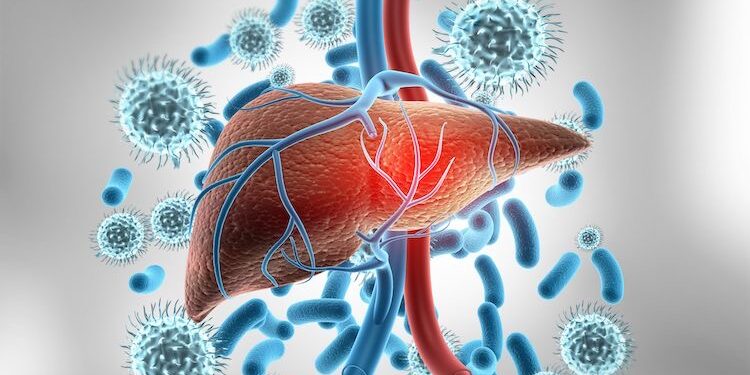
Hepatitis C is often overshadowed by Hepatitis B in public health conversations but it carries its own serious risks and unlike Hepatitis B, there is no vaccine against it. This guide covers what Hepatitis C is, how common it is in Nigeria, how it compares to Hepatitis B and how a 4-in-1 STI self-test kit like Venchecker fits into early detection.
👉This article is part of our complete [Venchecker: 4-in-1 STI Self-Test Kit Guide]
What Is Hepatitis C?
Hepatitis C is a viral infection that attacks the liver. It’s most commonly spread through contact with infected blood including unsterilized medical or cosmetic equipment, shared needles, and, less commonly, unprotected sexual contact or mother-to-child transmission. Many infections become chronic, quietly damaging the liver over years or decades before symptoms appear.
How Common Is Hepatitis C in Nigeria?
Hepatitis C is a major, often under discussed part of Nigeria’s viral hepatitis burden:
– At the 2025 World Hepatitis Day briefing, Nigeria’s health ministry reported that of the roughly 20 million Nigerians living with viral hepatitis, 2.5 million are living with Hepatitis alongside 18.2 million with Hepatitis B.
– The Coalition for Global Hepatitis Elimination estimates the prevalence of chronic Hepatitis C in Nigeria at approximately 0.6% (2022).
– The same profile noted Nigeria’s HCV-related death rate stood at 2.5 deaths per 100,000 people in 2022, against a WHO 2025 interim target of 3 per 100,000 showing how much ground still needs to be covered to meet elimination goals.
– Nigeria’s government has acknowledged the country ranks third worldwide in overall hepatitis prevalence with hepatitis broadly (B and C combined) costing the country between N13.3 trillion and N17.9 trillion annually in economic burden.
– Diagnosis rates remain critically low: the same national profile data shows only a small fraction of people living with chronic HCV in Nigeria have actually been diagnosed, echoing the same “hidden epidemic” pattern seen with Hepatitis B.
How Is Hepatitis C Transmitted?
– Sharing needles, syringes, or drug injection equipment
– Unsterilized medical, dental, tattoo, or piercing equipment
– Blood transfusions or organ transplants from unscreened donors (rare where screening protocols are followed)
– Mother-to-child transmission during birth
– Less commonly: unprotected sexual contact, particularly with multiple partners or when blood is present
Symptoms of Hepatitis C
Like Hepatitis B, Hepatitis C is frequently **silent for years**. Many people don’t realize they’re infected until liver damage is already significant. When symptoms do appear, they can include:
– Fatigue
– Joint pain
– Abdominal discomfort
– Loss of appetite
– Dark urine
– Jaundice (yellowing of skin or eyes)
– In advanced cases, signs of liver damage such as swelling or easy bruising
Because early and even moderate stage Hepatitis C often produces no noticeable symptoms, hence why routine screening is the only reliable way to catch it before serious liver damage occurs.
Hepatitis C vs. Hepatitis B: Key Differences
- Vaccination: Vaccine is available for Hepatitis B while no vaccine for Hepatitis C
- Main transmission route: Blood, sexual contact, mother-to-child for Hepatitis B while Hepatitis C is primarily blood-to-blood contact
- Chronic infection risk: Hepatitis B is higher in infants/young children, lower in adults while Hepatitis C has higher overall chronicity risk in adults.
- Treatment: For Hepatitis B, antivirals manage chronic infection and this infection is not typically curable but for Hepatitis C modern antivirals can cure most cases
- Prevention: Vaccination against Hepatitis B + safe practices, for Hepatitis C, safe practices is the only preventative measure, no vaccine for it.
**One important distinction: while there’s no vaccine for Hepatitis C, modern antiviral treatments can **cure** most cases when diagnosed making early detection even more valuable, since a timely diagnosis can lead to a full cure rather than lifelong management.
Use Venchecker 4-in-1 STI self-test kit for early detection of Hepatitis C.
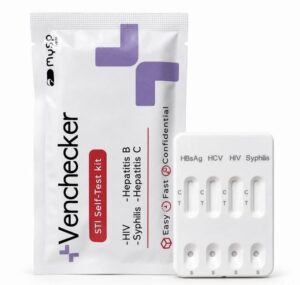
Venchecker: 4-in-1 STI self test kit for HIV, Hepatitis B, Hepatitis C & Syphilis
Why Testing for Hepatitis C Matters
Because Hepatitis C has no vaccine and few early symptoms, testing is the primary tool available for catching it before it causes irreversible liver damage. With Nigeria’s diagnosis rates for viral hepatitis remaining critically low relative to actual infection numbers, expanding access to testing beyond just hospitals and labs is a public health priority.
Venchecker 4-in-1 STI self-test kit from MySP Pharma, screens for Hepatitis C alongside Hepatitis B, HIV, and syphilis in a single private, at home process, giving people a practical way to check their status without needing to first overcome the barriers that keep so many away from clinics.
👉Learn How to Use Venchecker: A Step-by-Step Guide
What to Do If Your Result Is Reactive
1. Seek consultation with a medical expert. You can have a private chat with our medical expert on WhatsApp on what next to do and how to manage the entire process.
2. Get liver function monitored to assess any existing damage
5. Avoid alcohol and unnecessary liver taxing medications.
Frequently Asked Questions
Is Hepatitis C curable?
Yes, in most cases. Modern direct acting antiviral medications can cure the majority of Hepatitis C infections, especially when caught early.
Is there a vaccine for Hepatitis C?
No, unlike Hepatitis B, there is currently no vaccine for Hepatitis C, which makes prevention (avoiding unsterilized equipment, practicing safe sex) and early testing especially important.
Can I have both Hepatitis B and Hepatitis C at the same time?
Yes, co-infection is possible and can accelerate liver damage. This is one reason combination testing is valuable.
How is Hepatitis C different from HIV in terms of curability?
Hepatitis C can often be cured with treatment, while HIV currently cannot be cured but can be effectively managed with lifelong antiretroviral therapy.
Sources:
– Federal Ministry of Health and Social Welfare, Nigeria — 2025 World Hepatitis Day briefing
– Coalition for Global Hepatitis Elimination, Nigeria Hepatitis Elimination Profile (2025)
– World Health Organization (WHO), Global Hepatitis Report and elimination targets