HIV (Human Immunodeficiency Virus) remains one of the most significant public health challenges in Nigeria and across sub-Saharan Africa. This guide breaks down what HIV is, how common it is in Nigeria, what symptoms to watch for, how the window period affects testing, and how a 4-in-1 STI self-test kit like Venchecker can help you know your status privately and quickly.
👉 This article is part of our complete [Venchecker: 4-in-1 STI Self-Test Kit Guide]
What Is HIV?
HIV is a virus that attacks the body’s immune system, specifically CD4 cells (a type of white blood cell), weakening the body’s ability to fight infections and diseases. Left untreated, HIV can progress to AIDS (Acquired Immunodeficiency Syndrome), the most advanced stage of infection. With modern antiretroviral therapy (ART), people living with HIV can live long, healthy lives but this depends heavily on early diagnosis.
How Common Is HIV Globally and in Nigeria?
Global figures from UNAIDS and WHO show the scale of the epidemic:
• Globally, an estimated 40.9 million people were living with HIV in 2025, with 51% of them women and girls.
• About 88% of people living with HIV worldwide knew their status in 2025, but roughly 5.0 million people still did not know they were
• The WHO African Region carries the heaviest burden, accounting for 65% of all people living with HIV globally.
In Nigeria specifically:
• The National Agency for the Control of AIDS (NACA) estimates that over two million people are currently living with HIV across Nigeria, based on the latest HIV Spectrum estimates.
• Rivers State has the highest recorded caseload with 208,767 people living with HIV, followed by Benue State (202,346) and Akwa Ibom State (161,597). Lagos State ranks fourth nationally with 108,649 recorded cases.
• According to NACA’s 2024 World AIDS Day briefing approximately 160,000 children aged 0 to 14 are living with HIV in Nigeria, with 22,000 new infections and 15,000 AIDS-related deaths recorded in 2023 alone.
• Nigeria’s national HIV prevalence among adults aged 15–49 stands at roughly 1.3–1.4%, according to data from the Nigeria HIV/AIDS Indicator and Impact Survey (NAIIS), with women more than twice as likely to be living with HIV as men (1.9% versus 0.9%).
How Is HIV Transmitted?
HIV spreads through specific bodily fluids, primarily:
• Blood
• Semen and pre-seminal fluid
• Vaginal and rectal fluids
• Breast milk
Common transmission routes in Nigeria include unprotected sexual contact, mother-to-child transmission during pregnancy, childbirth, or breastfeeding, and, less commonly today, unscreened blood transfusions or sharing needles. HIV is not transmitted through casual contact, saliva, sharing food, or mosquito bites.
Symptoms of HIV
HIV symptoms vary by stage and many people experience no symptoms at all for years, which is exactly why routine self-testing matters.
Acute stage (2–4 weeks after exposure): Some people experience flu-like symptoms, fever, sore throat, swollen lymph nodes, rash, fatigue, and body aches. Others notice nothing at all.
Clinical latency stage: The virus is still active but reproduces at low levels. This stage can last many years with few or no symptoms, especially with treatment.
Advanced HIV / AIDS: Without treatment, the immune system weakens significantly, leading to opportunistic infections, rapid weight loss, chronic diarrhea, and recurring fevers.
Because symptoms are unreliable, absent, mild, or mistaken for other illnesses testing not symptoms, is the only reliable way to know your HIV status.
The Window Period for HIV
The window period is the time between exposure to HIV and when a test can reliably detect it. Testing too early can produce a false negative. Depending on the test type, this window can range from a couple of weeks to around three months. If you test negative shortly after a potential exposure, retesting after the window period has passed is important for an accurate result.
Why Testing Matters More Than Ever
Global progress against HIV depends heavily on people knowing their status early. UNAIDS notes that an additional 3.2 million people living with HIV globally still need to be made aware of their HIV status to reach international targets. Funding disruptions are also a growing concern, UNAIDS has warned that cuts to foreign assistance could result in more than 4 million additional HIV related deaths and over 6 million additional new infections between 2025 and 2029 if progress lab stalls. This makes accessible, private, self directed testing more important than ever, especially in high burden countries like Nigeria.
How to Know Your HIV Status Privately
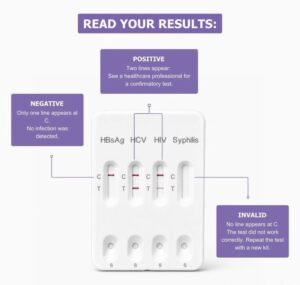
How to read Venchecker results
Many Nigerians avoid HIV testing not because they don’t want to know, but because of stigma, distance to clinics or fear of being seen. This is where HIV self-testing at home changes the equation.
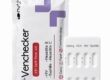
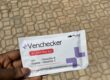
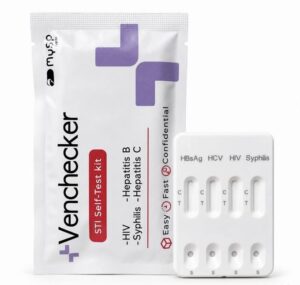
Venchecker 4-in-1 STI self-test kit from MySP Pharma, allows you to screen for HIV alongside syphilis, Hepatitis B, and Hepatitis C in one private, at home process; no clinic visit, no queue, and no one else needs to know unless you choose to share your result.
👉 See the full product overview: [Venchecker: The Complete Guide to 4-in-1 STI Self-Testing]
What to Do If Your Result Is Reactive
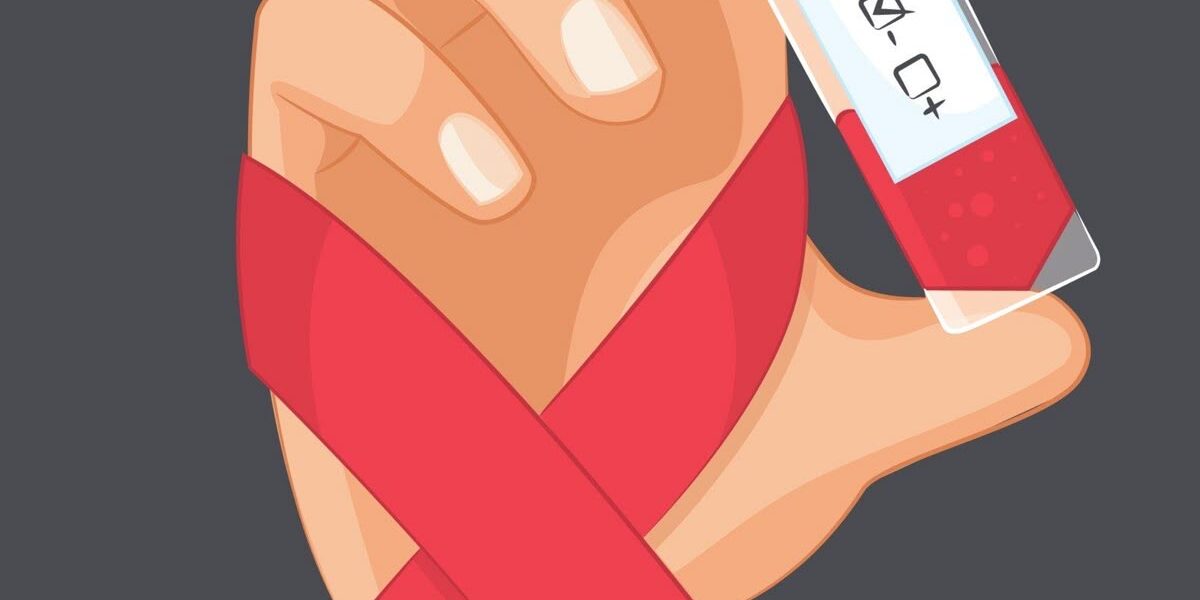
If you test reactive:
1. Stay calm
2. Visit a hospital, clinic, or NACA affiliated testing center for confirmatory testing
3. If confirmed, ask about starting antiretroviral therapy (ART), early treatment leads to significantly better long term outcomes
4. Discuss prevention for partners, including options like PrEP (pre-exposure prophylaxis) where appropriate
With consistent ART, most people living with HIV can achieve viral suppression, meaning the virus is undetectable in blood tests and cannot be sexually transmitted to partners (Undetectable = Untransmittable).
Frequently Asked Questions (FAQ)
Can HIV self-test kits be trusted?
Self-test kits are widely used screening tools worldwide, including as part of WHO-recommended testing strategies. A reactive result should always be confirmed at a clinic or lab.
How often should I test?
This depends on your risk exposure. Anyone sexually active, especially with new or multiple partners, should test regularly — many health bodies recommend at least annually, or more often for higher-risk groups.
Is HIV curable?
There is currently no cure for HIV, but with treatment, people living with HIV can live long, healthy lives with an undetectable viral load.
Does Venchecker only test for HIV?
No, venchecker is a 4-in-1 kit, meaning it screens for HIV, syphilis, Hepatitis B, and Hepatitis C in a single self-test process.
Sources
• WHO/UNAIDS, Global HIV & AIDS Statistics — 2025 Fact Sheet, unaids.org
• WHO, HIV Data and Statistics, who.int
• National Agency for the Control of AIDS (NACA), Nigeria HIV Spectrum Estimates 2024, naca.gov.ng
• Nigeria HIV/AIDS Indicator and Impact Survey (NAIIS)